Bodily Fluid Cleanup
Homes, care environments and businesses receive bodily fluid cleanup and disinfection.
See bodily fluid cleanupGet blood, bodily fluids, human waste, sharps and contaminated materials removed from a jail, holding cell, booking room or detention area in Alex after authorized staff release the space.
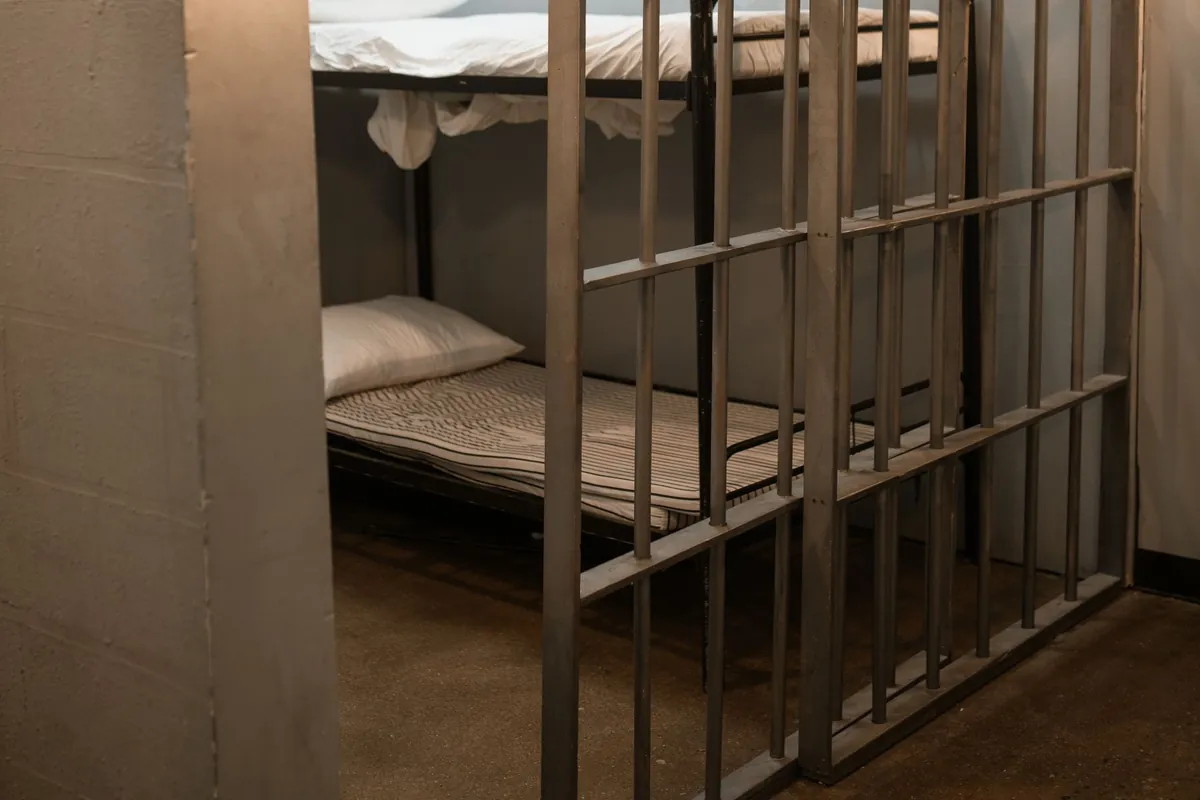
Cleaning a jail or holding cell is a controlled process that clears bodily fluids, blood, sharps, human waste and other contaminated items from booking areas, cells, related secure rooms and interview spaces before the area is cleaned, disinfected and treated for odor.
The facility must first confirm that no active investigation still includes the area. Correctional staff remain responsible for keys, access and the movement of occupants. Technicians clean the affected space as well as surrounding spots where equipment, shoes or fluid could have spread contamination.
This remediation goes beyond standard custodial cleaning. Wearing protective equipment, cleanup technicians divide contaminated space from clean space and take out anything that cannot be disinfected. They use an EPA-registered disinfectant for every minute of contact time stated on the label. Applicable rules determine the correct waste stream and packaging for hazardous waste and sharps.
Property owners, facility records and insurance companies may be supported by scope documentation, available waste paperwork and allowed photos.
Your clear scope names the cleaning services included, such as disinfection, removal, waste disposal and odor work, before reopening the affected area.
Evidence and belongings held as personal property remain undisturbed until your designated contact instructs otherwise.
Every situation may involve its own entry points, staff escort rules, limited hours and controls on movement. Those security details help your facility organize each stage of the cleanup.
An ordinary custodial response is not enough for contamination involving porous materials or a larger spill. Situations that need professional cleanup include:
A cell, interview room or booking area may need biohazard remediation after authorized staff finish evidence collection and release the space.
Urine, vomit and other bodily fluids can spread across floors, benches, drains and high-touch surfaces in a confined room.
When feces affects solid surfaces or penetrates bedding and other absorbent items, controlled removal comes first, followed by cleaning, disinfection and odor removal.
An altercation, injury or medical event can leave blood on walls, bunks, hardware and flooring joints. Both visible contamination and possible transfer routes nearby must be assessed.
Start by keeping staff safe, maintaining evidence and containing the affected area. Complete these steps before cleanup technicians enter:
Call (888) 440-9227Credible published pricing does not include a range specifically for jail cleanup. For comparison, general biohazard cleanup guides show a residential average of $1,800 to $4,500 and a typical national range of $3,000 to $5,000 nationally. They also place most residential projects at $2,500 to $8,000 and the complete published span at $1,500 to $25,000 overall. These figures are not jail cell prices. The assessed facility scope determines the price.
Published national cost guides are the source for these ranges, rather than an inspection of your property. After an on-site assessment, the price for your property is determined and shared with you before cleanup begins.
Ask about cost: (888) 440-9227The facility usually arranges payment, unless its responsible operating entity does so, whether that entity is public or private. How payment works depends on the incident, the property, contract terms and insurance terms.
A building owner, county, private operator or municipal agency can each have distinct obligations. Payment authority depends on the relevant contract together with facility policy.
Ask the administrator or purchasing representative which authorized procurement method the site uses for emergencies, purchase orders or work orders.
Keep the incident reference, approved scope, completion photos when allowed and waste paperwork. If insurance assistance is requested, ask the insurance company which records may be shared without exposing restricted information.
If insurance may apply, the facility should report the incident, keep the claim number and ask what photos, scope notes and waste records are required.
Facility security needs and the contamination involved shape the cleanup plan. Throughout the job, the affected space should remain divided from clean areas, and each completed task should be clearly documented.
Technicians and the facility representative inspect the cleared space, locate visible contamination and examine likely spread paths without interfering with possible evidence.
A boundary for the work is established within the secure space. The fluids, sharps and materials in the area determine which protective equipment technicians use.
Needles and other sharps go directly into approved puncture-resistant containers. Bags holding loose contaminated material are not compressed manually during collection.
When contamination soaks into unfinished wood, bedding, damaged walls or other absorbent materials, removal is needed if they cannot be completely disinfected. If repairs or restoration services are needed, that work is scoped separately after biohazard cleaning.
Hard surfaces are cleaned to remove soil before disinfection. The next step uses an EPA-registered disinfectant that remains wet throughout the complete label contact time.
Once the source has been removed, an assessment may support using air treatment equipment such as hydroxyl generators or HEPA air scrubbers.
Closed and labeled waste containers follow the required route for disposal. Available paperwork may be stored as part of the facility incident record.
Inspect affected areas for overlooked surfaces, remaining soil and cleaning product residue left behind. Before the room reopens, the facility representative verifies that the agreed scope is complete.
You can call anytime. A specialist in jail and holding cell cleanup takes your call, explains each step and agrees on a start time with you.
The serious health hazards include concealed sharps, blood, bodily fluids and human waste. They may endanger facility occupants, correctional staff and anyone assigned to clean the space.
Blood may contain hepatitis B, hepatitis C or HIV. Because the CDC says hepatitis B may persist on surfaces for at least seven days, even dried blood calls for thorough cleaning and disinfection.
Fluid can run into floor joints, under fixed bunks and behind fixtures. Restraints, footwear or carts may carry fluid to surrounding areas, including spaces that appear clean.
Strong odors may linger in a confined secure space, particularly if waste enters drains, flooring joints, grout or bedding. Removing the source comes before air treatment.
Can you clean it yourself? Facility procedure determines who may clean a small spill. Use suitable protective gear and keep the chosen EPA-registered disinfectant wet for the product's full contact time, at minimum. When contamination is not visible, has spread widely, includes sharps or penetrates absorbent material, arrange professional cleanup.
Many non-porous, hard surfaces can be disinfected after cleaning. Removal is needed for porous items when fluids soak beneath the surface where the cleaning process cannot reach.
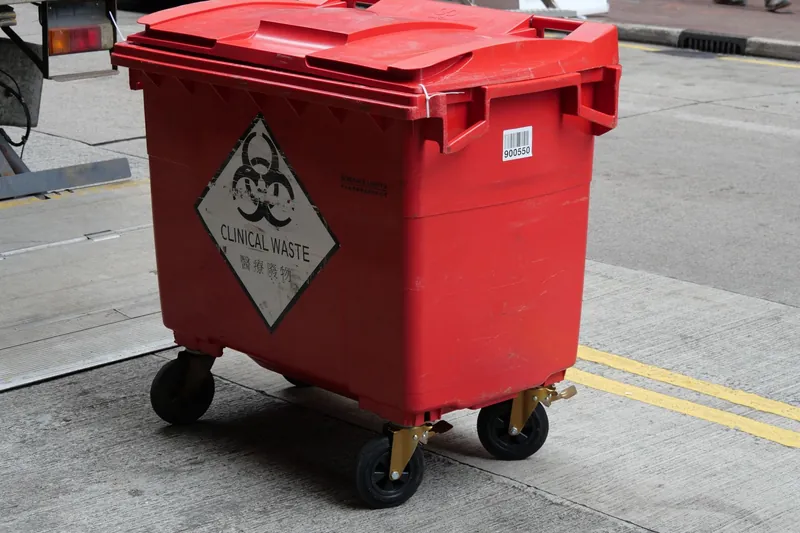
The time depends on the number of areas, materials affected, security access, waste volume and whether odor treatment is needed. The cleanup team can set a work window after the released area is assessed.
| Scene | Typical time on site |
|---|---|
| One cell with hard-surface contamination | Work window set after assessment |
| Porous material removal from one cell | Longer than hard-surface cleaning |
| Multiple cells, hallways or shared spaces | Often planned in secure phases |
Odor removal begins by finding and removing the source. Human waste, bodily fluids, affected bedding and residue in floor joints or drains must be addressed before deodorizing equipment can help. Fragrance alone does not clean contamination.
After cleaning and disinfection, the room is checked again. HEPA air scrubbers can capture airborne particles, and hydroxyl equipment may help with remaining odor when suitable for the space. Vent covers and nearby surfaces are inspected so residue left behind does not keep affecting air quality.
The full jail and holding cell cleanup guide covers what is cleaned or removed, odor and air quality work, and the rules that apply in Oklahoma.
Read the full jail and holding cell cleanup guideContainment, entry and cleanup plans can be influenced by local housing, population and access details.
The relatively small 15.2% rental share does not change safety needs, but it can make property decisions more direct.
Because the median home dates to 1960, cleanup plans should distinguish washable surfaces from absorbent carpet, padding, and wallboard.
The local senior population includes 20 people living alone, and each unattended event calls for discreet, respectful cleanup planning.
Detached and single-family properties account for 88.2% locally, so exterior access and safe waste movement should be planned early.
Your phone conversation can include questions about service in nearby ZIP codes and communities.
Homes, care environments and businesses receive bodily fluid cleanup and disinfection.
See bodily fluid cleanup
Blood cleanup clears blood from furniture, walls, hard floors and carpet, followed by safe disposal.
See blood cleanup
Human feces cleanup includes disinfection in homes, public restrooms and rental properties.
See human feces cleanup
Urine cleanup and odor removal address furniture, floors and subfloors.
See urine cleanup
Vomit is cleaned and the area disinfected to stop the spread of norovirus and other germs.
See vomit cleanup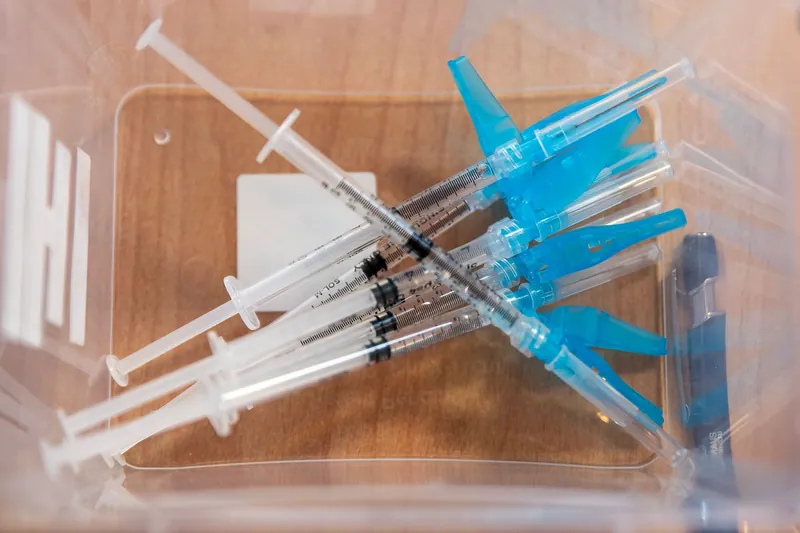
Needles and other sharps are removed from rentals, yards, encampments and parks.
See needle and sharps cleanup
Pickup and disposal of biohazard waste use containers that are sealed and labeled.
See biohazard waste disposal
Commercial and industrial biohazard cleanup with minimal downtime.
See commercial and industrial biohazard cleanupThe schedule is determined once the cleared area has been evaluated. A single hard-surface location does not require the same scope as multiple cells containing contaminated walls, bedding, sharps or odor. Secure access, staff escorts and waste movement can also affect the work window. Phased work can allow other areas to remain operational during a larger project.
Yes, once visible residue and contaminated materials are gone, the scope may include treatment for remaining odor. Sources of odor may be trapped inside bedding, drains, joints and damaged finishes. Following source removal, cleaning can extend to nearby surfaces, with appropriate air treatment equipment used when needed. Adding fragrance by itself will not eliminate the contamination behind an odor.
Cleanup services can include assessment, containment, sharps collection, removal of contaminated porous materials, cleaning, disinfection, odor removal and waste disposal. Required work varies by the hazards found and their spread, including blood, other bodily fluids, human waste or needles reaching seams, fixtures and surrounding controlled spaces.
An intact, non-porous mattress cover may be cleanable if contamination stayed on the sealed surface. When fluid enters porous material or a mattress with tears, the affected item may have to be removed. Material type and condition matter, along with whether all affected surfaces are accessible for complete cleaning and disinfection.
Published guides do not list a jail-specific cost range. General biohazard cleanup guides range from $1,800 to $4,500 for a residential average and $3,000 to $5,000 for a typical national range. The figures only offer general context. Pricing for your project is based on the assessed space, material types, waste, security arrangements and odor treatment.
After evidence collection ends, law enforcement or authorized facility staff must release the affected area, whether it is a booking room, cell or another space. Until then, restrict access, avoid moving items and preserve the scene according to facility procedure. Share known transfer paths with the cleanup team.
Crews carry out respectful, discreet jail and holding cell cleanup, arrive in unmarked vehicles and take calls 24 hours a day.